
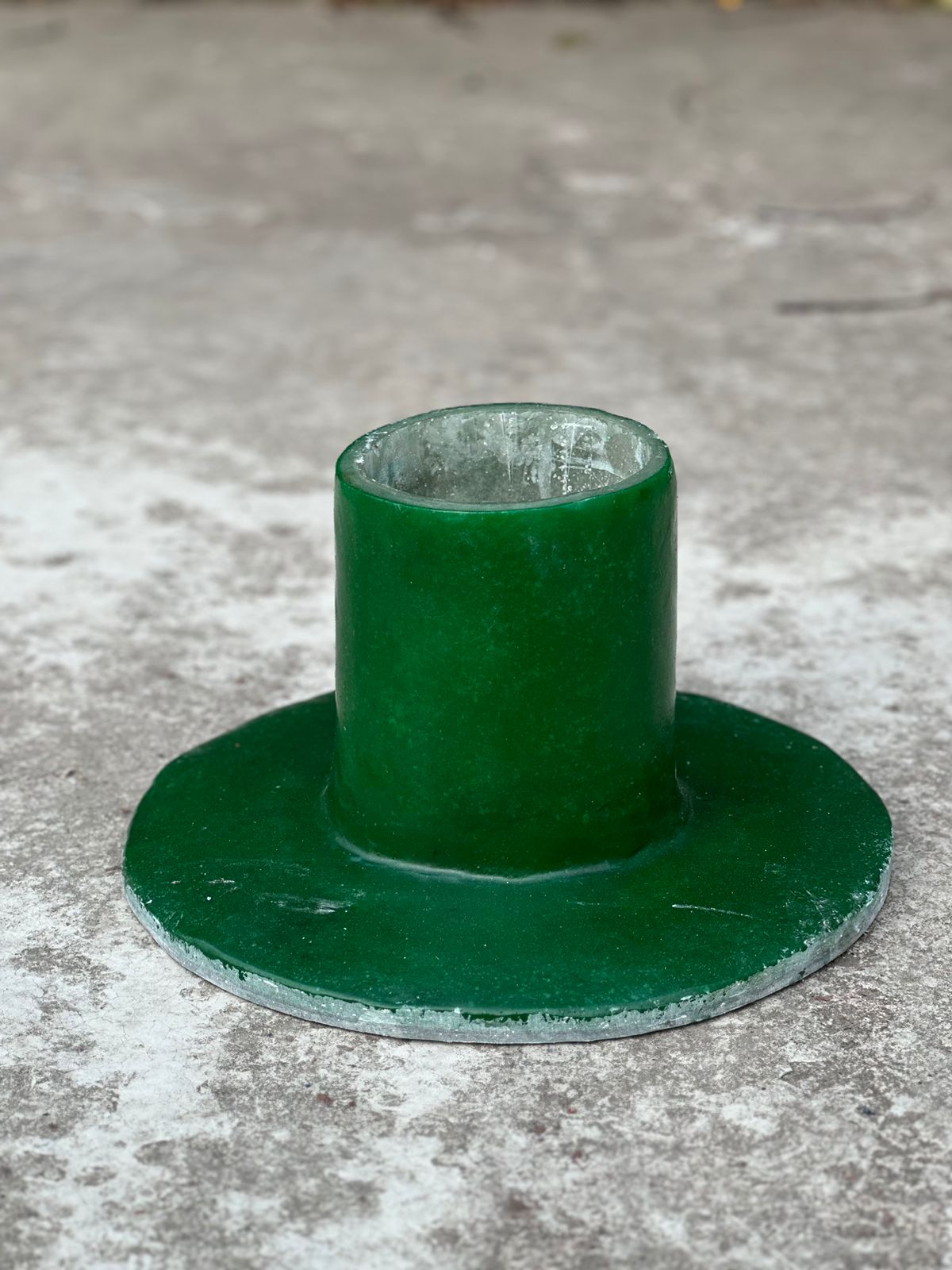
In today's industrial world, efficiency, durability, and corrosion resistance are critical factors in selecting piping components. One of the most reliable solutions for modern industries is FRP flanges (Fiberglass Reinforced Plastic flanges). These components are widely used in chemical plants, water treatment facilities, marine environments, and other heavy-duty industrial applications where metal flanges often fail due to corrosion and chemical attack.
What is an FRP Flange?
An FRP flange is a piping connector made from Fiberglass Reinforced Plastic, a composite material consisting of glass fibers embedded in a polymer resin. This combination results in a lightweight yet extremely strong and corrosion-resistant product.
FRP flanges are designed to connect pipes, valves, pumps, and other equipment in a piping system while ensuring a tight and leak-proof seal.
Key Features of FRP Flanges
1. Excellent Corrosion Resistance
Unlike steel or iron flanges, FRP flanges do not rust or corrode when exposed to chemicals, acids, alkalis, or saltwater. This makes them ideal for harsh industrial environments.
2. Lightweight but Strong
FRP flanges are significantly lighter than metal alternatives, making installation easier and reducing transportation costs, while still maintaining high mechanical strength.
3. Long Service Life
Due to their resistance to corrosion and chemical degradation, FRP flanges offer a much longer lifespan compared to traditional metal flanges.
4. Low Maintenance
Once installed, FRP flanges require minimal maintenance, reducing downtime and operational costs for industries.
5. Customizable Design
FRP flanges can be manufactured in different sizes, pressure ratings, and chemical resistance levels depending on industrial requirements.
Applications of FRP Flanges
FRP flanges are used across a wide range of industries, including:
- Chemical processing plants
- Water and wastewater treatment plants
- Oil and gas industries
- Marine and offshore installations
- Power generation plants
- Fertilizer and pharmaceutical industries
Their ability to withstand aggressive environments makes them a preferred choice in modern infrastructure projects.
Why FRP Flanges are Replacing Metal Flanges
Traditional metal flanges, while strong, are highly vulnerable to corrosion, especially in environments involving moisture, chemicals, and salt exposure. This leads to frequent maintenance, leakage issues, and costly replacements.
FRP flanges solve these problems by offering:
- Zero rust formation
- Higher resistance to chemical attacks
- Reduced lifecycle cost
- Better performance in extreme environments
As industries move toward cost-effective and sustainable solutions, FRP components are becoming the new standard.
Manufacturing Quality Matters
The performance of an FRP flange largely depends on the quality of raw materials and manufacturing processes. Proper resin selection, fiber orientation, and curing techniques are essential for ensuring durability and strength.
A trusted manufacturer ensures that every flange meets industrial standards and performs reliably under pressure and chemical exposure.
FiberXperts Enterprise - FRP Solutions in Bangladesh
In Bangladesh, FiberXperts Enterprise is recognized for producing high-quality FRP products including flanges, tanks, ducts, and industrial components. The company focuses on delivering corrosion-resistant and durable solutions tailored to industrial needs.
With advanced manufacturing techniques and a commitment to quality, FiberXperts Enterprise supports industries that require long-lasting and reliable FRP systems.
Conclusion
FRP flanges represent a modern and efficient alternative to traditional metal piping components. Their corrosion resistance, lightweight structure, and long service life make them an ideal choice for industries operating in harsh environments.
As industrial demands continue to grow, FRP technology is becoming increasingly important for ensuring safety, efficiency, and cost-effectiveness in piping systems.